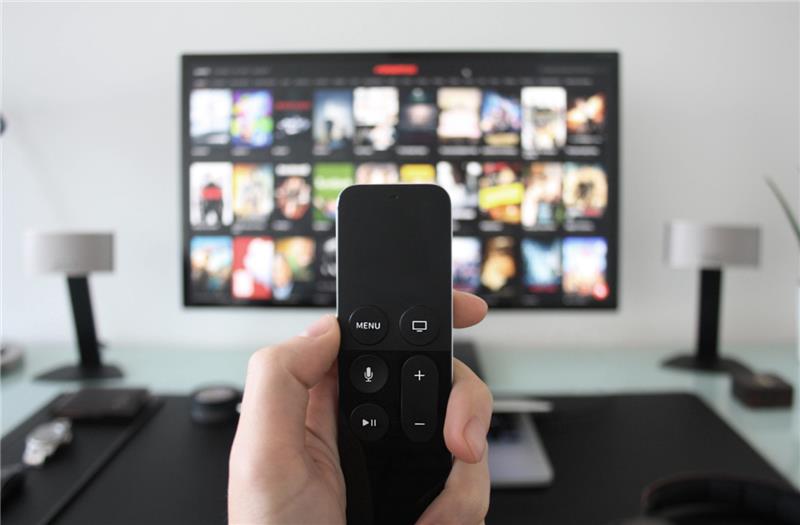
Connected TV (CTV) has moved from an emerging advertising channel to a core part of the modern media mix. As viewers continue shifting from traditional television to streaming, connected TV gives marketers new ways to reach audiences with the scale and impact of TV alongside the targeting, measurement, and flexibility of digital advertising.
Connected TV is video advertising delivered to internet-connected televisions and devices, including smart TVs, streaming devices, and gaming consoles. Unlike traditional linear TV, CTV allows advertisers to use digital targeting and measurement to understand who was reached, how campaigns performed, and what happened after exposure.
In 2026, CTV is becoming more than another place to run video. It is helping reshape how marketers think about reach, measurement, and campaign optimization.
Key takeaways
- Connected TV combines the reach and impact of television with the targeting and measurement capabilities of digital advertising.
- Streaming has changed how audiences consume television, creating more fragmented viewing environments for marketers to navigate.
- CTV measurement is becoming increasingly important as advertisers look beyond impressions and completed views to understand business impact.
- Programmatic CTV allows marketers to target audiences and optimize campaigns while they are live.
- CTV is becoming part of broader omnichannel strategies, connecting television exposure with activity across other devices and channels.
What is CTV?
CTV refers to television content streamed through an internet-connected television or device. This includes smart TVs, streaming devices such as Roku and Amazon Fire TV, gaming consoles, and other connected screens.
Unlike traditional linear television, CTV is built around on-demand viewing. Audiences decide what to watch, when to watch it, and which streaming services or platforms to use. That shift has changed the advertising opportunity. Traditional TV has historically relied on scheduled programming and panel-based measurement. CTV introduces digital-style targeting and measurement, giving marketers greater visibility into audiences and campaign performance.
As streaming continues to grow, CTV is becoming an increasingly important part of the broader video advertising ecosystem. Nielsen reported that streaming represented 43.8% of total U.S. TV viewing in March 2025, highlighting how significantly viewing habits have shifted toward streaming environments. Nielsen
How is CTV different from traditional TV advertising?
The biggest difference between CTV and traditional TV is not simply the screen. It is the way audiences are reached, campaigns are bought, and performance is measured.
Traditional linear TV generally operates around fixed programming schedules and broad audience estimates. CTV enables advertisers to use audience data and programmatic buying to reach more specific groups across streaming environments.
CTV can offer:
- Audience targeting based on relevant data signals
- Programmatic buying that allows campaigns to be planned and activated efficiently
- Digital-style measurement across views, engagement, and other campaign outcomes
- In-market optimization as performance data becomes available
- Cross-channel integration as CTV becomes part of broader media strategies
This makes connected TV particularly valuable for marketers looking to combine the impact of video with greater control over how campaigns are planned and measured.
Why is CTV important for advertisers?
CTV is important because it brings together two capabilities marketers have historically treated separately: the attention and storytelling power of television and the precision of digital advertising.
The opportunity is growing as more audiences move into streaming environments. The IAB projects that U.S. digital video advertising will surpass $80 billion in 2026, with digital video expected to account for more than 60% of total TV and video ad spending.
CTV also gives advertisers access to premium, high-attention viewing environments while providing more opportunities to understand how audiences respond. For marketers, that means CTV can play different roles across the customer journey, from building awareness and reaching incremental audiences to supporting consideration and driving measurable outcomes.
How does CTV measurement work?
CTV measurement is one of the most important areas of development in the channel.
Advertisers need to understand more than whether an ad was delivered. They increasingly want to know:
- Who saw the ad?
- How many times were they exposed?
- Did the campaign reach incremental audiences?
- Did exposure influence engagement or consideration?
- Did the campaign contribute to a business outcome?
CTV can provide measurement across metrics such as completed views, engagement, reach, lift, attribution, and downstream outcomes.
However, measurement becomes more complicated when consumers move between connected TVs, smartphones, computers, and other devices. A viewer may see an ad on a TV, search for the brand on their phone, and eventually convert somewhere else.
As Nielsen notes, only 32% of global marketers reported measuring media spending holistically across digital and traditional channels in its 2025 research. This is why CTV measurement is moving beyond basic delivery metrics toward a more connected view of campaign effectiveness.
For a deeper look at this challenge, read CTV Measurement Shouldn’t Be a Black Box.
What role does programmatic CTV play?
Programmatic CTV allows marketers to buy video inventory using data-driven technology rather than relying exclusively on traditional upfront or direct buying models.
This enables advertisers to define audiences, plan campaigns, activate media, and evaluate performance using digital advertising principles. The advantage is not simply automation. Programmatic CTV can give marketers greater flexibility to adjust campaigns based on what they learn in the market.
For example, marketers can:
- Refine audience targeting
- Adjust campaign allocation
- Identify opportunities for incremental reach
- Compare performance across audiences and environments
- Use campaign insights to inform optimization
This makes CTV an important example of how television advertising is becoming more connected to the broader digital media ecosystem.
How is CTV changing video advertising?
Connected TV is changing expectations around what video advertising should be able to prove. Historically, television measurement focused heavily on reach and frequency. Those metrics remain important, but marketers increasingly want to understand what happens after exposure.
That means connecting CTV with broader measures of effectiveness, including:
Reach: Who did the campaign reach, and how many people were exposed?
Engagement: Did audiences watch and interact with the content?
Incrementality: Did advertising generate outcomes that would not have happened otherwise?
Brand lift: Did exposure influence awareness, consideration, or purchase intent?
Business outcomes: Did advertising contribute to measurable actions further down the customer journey?
This broader approach helps move CTV measurement from “Did someone see the ad?” toward “What did the exposure actually accomplish?”
That shift is particularly important as CTV becomes a larger part of overall media budgets.
How does CTV fit into an omni-channel advertising strategy?
Connected TV is most powerful when it does not operate in isolation. A viewer might encounter a brand on television, search for it on a mobile device, visit the website on a laptop, and eventually make a purchase elsewhere. Treating each interaction as a separate activity makes it difficult to understand the complete customer journey. An omnichannel approach connects those interactions so marketers can understand how channels work together.
CTV can therefore serve as both a high-impact awareness channel and a connected part of a broader performance strategy. illumin Canvas helps marketers connect campaign strategy, audiences, channels, and outcomes in one visual environment, creating a more connected view of how campaigns work together.
This is also where audience intelligence becomes increasingly important. As consumers move between connected TVs, mobile devices, computers, and other environments, marketers need a clearer understanding of how those interactions connect.
What is the future of CTV advertising?
The future of CTV is not simply about more streaming inventory. It is about making the channel more measurable, connected, and actionable.
Several trends are shaping the next phase of CTV:
More advanced CTV measurement
As CTV investment grows, marketers will expect stronger ways to connect exposure with incremental reach, brand impact, and business outcomes.
Greater integration with the wider media mix
CTV will increasingly be planned alongside other channels rather than treated as a standalone TV strategy.
More actionable optimization
As measurement becomes more connected, marketers will have more opportunities to use in-market insights to adjust campaigns while they are still running.
Continued audience fragmentation
Consumers will continue to spread their viewing across platforms and devices. Reaching the right audiences efficiently will therefore require better audience understanding and stronger cross-platform measurement.
More focus on outcomes
CTV is moving beyond being primarily an awareness channel. As budgets come under greater scrutiny, marketers will increasingly need to demonstrate what CTV contributes to the overall customer journey and business performance.
Recent industry research reflects this shift. EMARKETER identifies measurement maturity, curated inventory, and AI-driven optimization among the major trends shaping CTV in 2026. EMARKETER
Why is CTV the next phase of video advertising?
CTV does not represent the future of television advertising. It is already part of the present.
What makes CTV significant is not simply that audiences are streaming more content. It is that CTV brings television into a media environment where targeting, measurement, optimization, and audience behavior can be connected more closely.
The result is a different way of thinking about video advertising. Instead of planning television separately from digital, marketers can build strategies around how audiences actually move between screens and channels.
Instead of waiting for a post-campaign report, teams can use insights to make decisions while campaigns are still active, and instead of measuring success through exposure alone, marketers can increasingly connect media activity to outcomes.
That is the broader transformation CTV represents: bringing the impact of premium video together with the precision, measurement, and flexibility of digital advertising. As CTV continues to mature, the marketers that benefit most will be those that treat it not simply as another video channel, but as part of a connected advertising strategy.
Frequently asked questions
What is CTV?
CTV, or connected TV, is television content delivered through an internet-connected television or device. CTV advertising allows marketers to reach audiences through streaming environments while using digital targeting and measurement capabilities.
What is CTV advertising?
CTV advertising is video advertising delivered through connected televisions and devices such as smart TVs, streaming devices, and gaming consoles. It combines the reach and impact of television with digital targeting, buying, and measurement.
What is the difference between CTV and traditional TV?
Traditional TV typically relies on scheduled programming and broad audience measurement, while CTV delivers content through internet-connected devices and allows advertisers to use digital targeting, programmatic buying, and more detailed measurement.
Why is CTV important for marketers?
CTV gives marketers access to premium video environments while providing greater opportunities for audience targeting, measurement, and optimization. It can also connect television exposure with activity across other digital channels.
How is CTV measured?
CTV can be measured using metrics such as impressions, completed views, reach, frequency, engagement, brand lift, attribution, and downstream outcomes. Increasingly, marketers are also focused on incremental reach and business impact.
What is programmatic CTV?
Programmatic CTV uses automated, data-driven technology to buy and deliver video advertising across connected TV environments. It allows marketers to target specific audiences and optimize campaigns based on performance.
What is the future of CTV advertising?
The future of CTV will be shaped by better measurement, greater integration with other media channels, more actionable optimization, audience fragmentation, and increased pressure to connect advertising exposure with business outcomes.
How can marketers improve CTV performance?
Marketers can improve CTV performance by defining audiences carefully, managing reach and frequency, connecting CTV with broader media strategies, using actionable measurement, and optimizing campaigns based on in-market insights rather than relying solely on post-campaign reporting.
About illumin
illumin is a strategic advertising platform built to help marketers see more and act faster across the open web. By reducing fragmentation and keeping campaigns connected, illumin helps brands and agencies get more from every campaign. Headquartered in Toronto, Canada, illumin serves clients across North America, Latin America, and Europe. For more information, visit www.illumin.com.
See more. Achieve more.