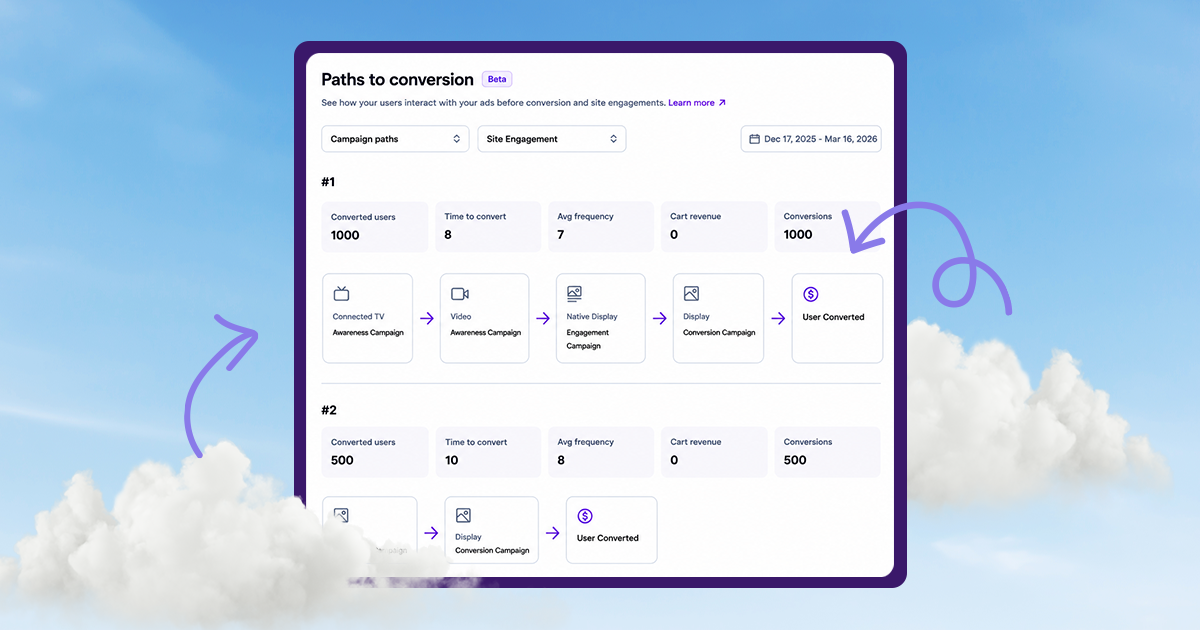

Agentic AI is redefining how marketers approach reporting and campaign analysis. When marketers talk about reporting, the conversation usually focuses on speed. Modern AdTech has given marketers more data than ever before, but it hasn’t made reporting any easier. As platforms evolve, so has their complexity, creating fragmented workflows, difficult-to-navigate dashboards and manual reporting processes that consume valuable time. Instead of accelerating decision-making, many marketers are forced to spend hours compiling data, interpreting performance and switching between tools before they can take meaningful action.
Today, the real challenge isn’t producing reports. It’s making decisions. As AI continues to evolve, that is beginning to change. The next generation of reporting isn’t about creating better dashboards. It’s about helping marketers make better decisions.
This shift builds on the broader transformation already underway in advertising. In Navigating the Revolution: The Shift to Autonomous AI in AdTech, we explored how AI is evolving beyond automation toward autonomous decision-making. In Five AI Advertising Trends Marketers Need to Know, we highlighted agentic AI as one of the technologies reshaping the industry. Reporting is one area where that evolution has the potential to change how marketers understand and act on campaign performance.
Agentic AI: from dashboards to decision intelligence
For years, reporting has been designed around one objective: documenting what happened.
Campaign dashboards answer familiar questions:
- How many impressions were delivered?
- Did CTR increase?
- Was CPA on target?
- Which audience performed best?
These metrics are essential, but they only tell part of the story. Marketers still need to determine why performance changed, identify which trends deserve attention, and decide how campaigns should evolve. This often means jumping between multiple reports, validating assumptions and translating data into recommendations for stakeholders. In other words, the report isn’t the end of the process. It’s only the beginning.
Increasingly, decision intelligence is being used to describe an approach that combines data, analytics and AI to help people make informed decisions. Agentic AI builds on this by enabling AI systems to work toward defined goals, handle multiple steps and support decisions with less manual intervention.
For a deeper explanation, read IBM’s guide to agentic AI.
Generative AI made reporting easier. Agentic AI makes it smarter
Generative AI has already changed how marketers interact with data. Instead of manually filtering dashboards or building custom reports, marketers can ask questions in natural language, generate summaries and receive explanations in seconds. This can reduce the time required to understand campaign performance.
However, generative AI tools typically respond to the prompts they receive. Agentic AI represents another stage in this evolution. AI agents can be designed to monitor campaign performance, detect meaningful changes, investigate potential causes and surface insights that deserve attention.
Agentic AI: from information to action
Imagine opening your campaign dashboard and seeing more than charts and KPIs. You’re presented with insights like:
- Declining conversion rates: Conversion rates have declined 12% over the past four days among returning users. Historical campaign data suggests creative fatigue may be a contributing factor. The system recommends reviewing creative performance and frequency.
- Audience performance: Campaign performance remains stable overall, but Audience B is outperforming the forecast by 18%. The system identifies an opportunity to evaluate budget allocation while maintaining the target CPA.
- Campaign pacing: A video campaign is pacing 15% behind forecast due to lower mobile engagement. The system flags the delivery gap and suggests reviewing performance across connected TV and desktop placements.
These examples illustrate how agentic AI may help connect performance analysis with potential next steps. Actual capabilities and outcomes depend on the system, the data available and the level of automation.
For more on how agentic AI may fit into advertising workflows, see IAB Canada’s guide to starting an agentic advertising campaign. The guide explores how AI agents may support campaign planning and execution while keeping marketers involved in setting objectives, establishing guardrails and approving actions.
This is where reporting begins to evolve into decision intelligence: connecting performance analysis with informed decisions about what to do next.
What is decision intelligence? Decision intelligence combines data, analytics and AI to help marketers make faster, more informed decisions. Rather than simply reporting on campaign performance, it helps identify meaningful insights, evaluate potential next steps and reduce the time spent manually analyzing data.
The benefit isn’t just more efficient reporting. It’s reducing the complexity that has defined AdTech for years, giving marketers more time to focus on strategy, campaign optimization and business outcomes instead of manual analysis.
Why this matters
Agentic AI has the potential to reduce the time and effort required to analyze campaign performance by surfacing meaningful insights, identifying emerging opportunities and helping marketers prioritize areas for action. Rather than reviewing every metric, teams can focus on what’s changing, why it matters and where to investigate next.
The marketer’s role isn’t disappearing, it’s evolving
Whenever AI enters a new workflow, the same question inevitably follows:
Will AI replace marketers? The opportunity is to give marketers more value, not replace them. Instead of spending mornings assembling reports or manually identifying performance trends, marketers can spend more time evaluating recommendations, shaping strategy, refining creative and making business decisions that require context, experience and judgment.
AI excels at processing information at scale. Marketers excel at understanding customers, brands, business objectives and the nuances that data alone can’t capture. The future of advertising depends on both.
Looking ahead
The evolution of marketing reporting isn’t simply about adding AI to existing dashboards. It’s about rethinking the role reporting plays within the campaign lifecycle. As agentic AI matures, reporting may become more than a record of performance. It may help marketers understand, prioritize and act on what matters most.
At illumin, we believe marketers need more than access to data. They need clarity, control and transparent insights that help them understand campaign performance and make informed decisions. As AI continues to evolve across the industry, the opportunity is to move beyond reporting campaign performance toward smarter decisions throughout the campaign lifecycle.
About illumin
illumin is redefining how marketers plan, execute and measure digital advertising, bringing every stage of the campaign lifecycle into one strategic platform. Through a drag-and-drop Canvas, marketers can visually connect strategy, activation and outcomes, and extend live audiences from programmatic advertising into social channels. Combining AI-powered intelligence with transparent insights, illumin helps brands and agencies make informed decisions, optimize campaigns and prove business impact. With offices in North America, Europe and South America, illumin supports brands and agencies across global markets. For more information, visit illumin.com.
See More. Achieve More.